
The promise to advocate toward the center accreditation was made by the SWISS embassy in Rwanda, and Rwanda polytechnic administration has warmly welcomed the deal based on the fascinating production of the centre. This was declared during the 24 finalist apprentices’ graduation ceremony held on December 3rd, 2020 at Kabacuzi leather production center –STRADH/SIPETRA vocational training center in the remote area of Muhanga district of southern province, Kabacuzi sector. – The project targeted 30 young people who have been removed from the worst forms of works in mining and stone-breaking in different areas of the Kabacuzi sector, the so-called mining region.
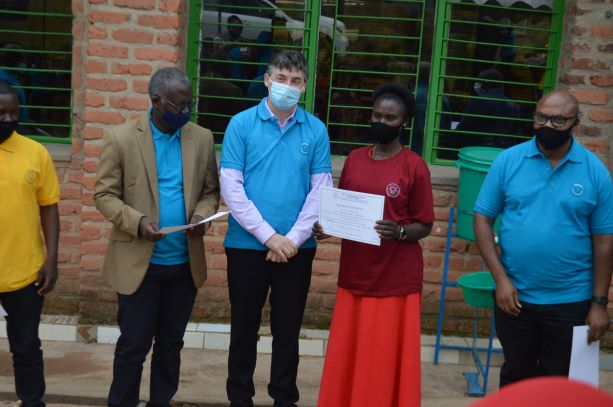
STRADH –Syndicat des Travailleurs aux Services des Droits Humains has had the hopes up to receive Rwanda polytechnic certificate accreditation due to its remarkable contribution to the promotion of technical and vocational education. The ceremony was attended by the Swiss embassy as the guest of honor, Muhanga district plus other local level entities and Rwanda polytechnic.
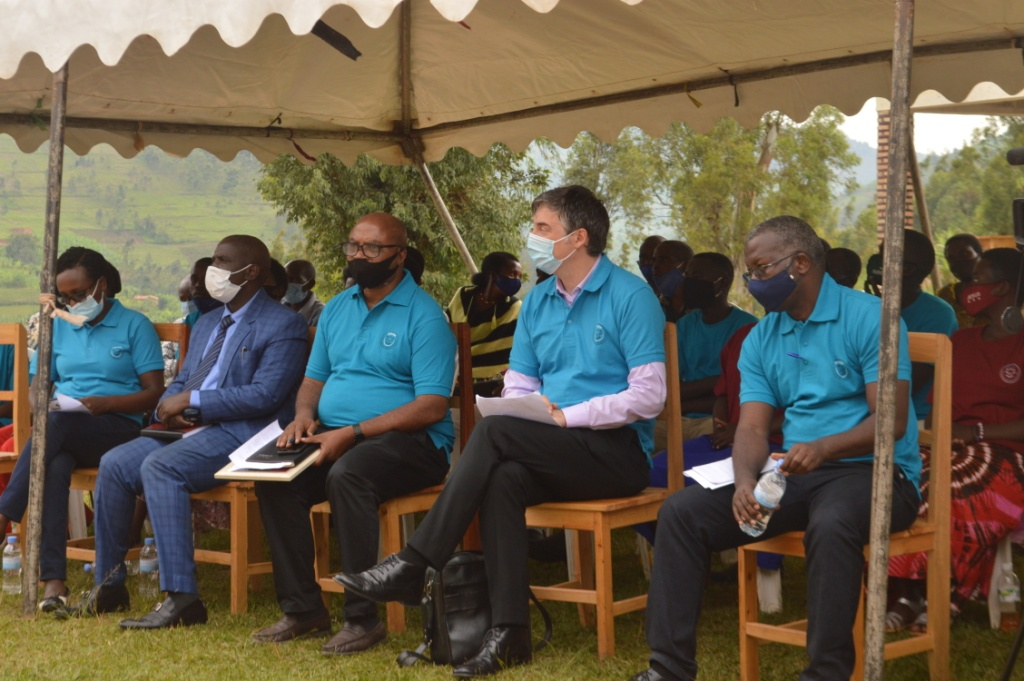
During the graduation ceremony, both Swiss Embassy and Rwanda polytechnic were fascinated by the production center caliber to make different leather items like bags, shoes, belts etc. The Swiss Embassy representative Mr. Marc De Santis, Director of Cooperation / Swiss agency for development and cooperation, who has highly appreciated the center’s collaboration with the government, and its quality products, has also promised to play in integral intermediary between STRADH and Rwanda polytechnic toward certificate accreditation. “The certificate is a great asset since it attests one’s ability. We will closely work with Rwanda polytechnic so that this certificate would get a national accreditation.”
The ambassador has advised the apprentices to work hard toward progress as he has cherished the chance granted by STRADH to help teach them how even to approach the market.
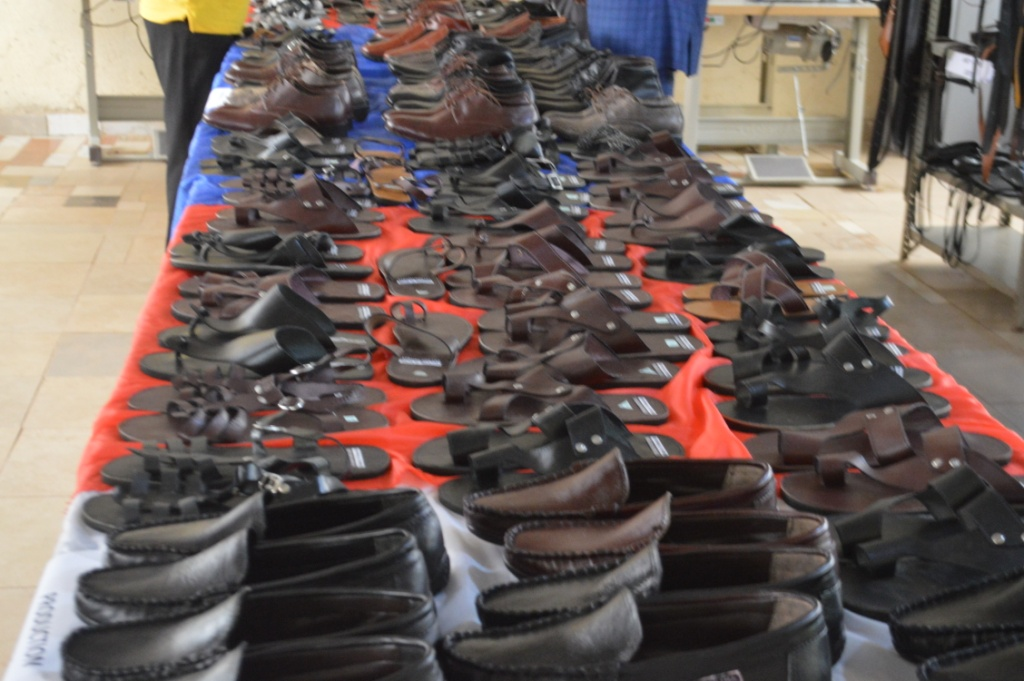
Rwandan government is promoting vocational and technical education just to curb the high unemployment rate that accounts for 16.0 % according to National institute of statistics of Rwanda, February 2019 report.
The Ministry of Education through the Workforce Development Authority – WDA, is on course to have at least 60% of students completing the Nine Years Basic Education join Technical and Vocational Education and Training -TVET schools by 2024. TVET schools are called to produce job creators not job seekers instead. This is greatly expected to contribute to job creation, the line by which STRADH stands the perfect match in.
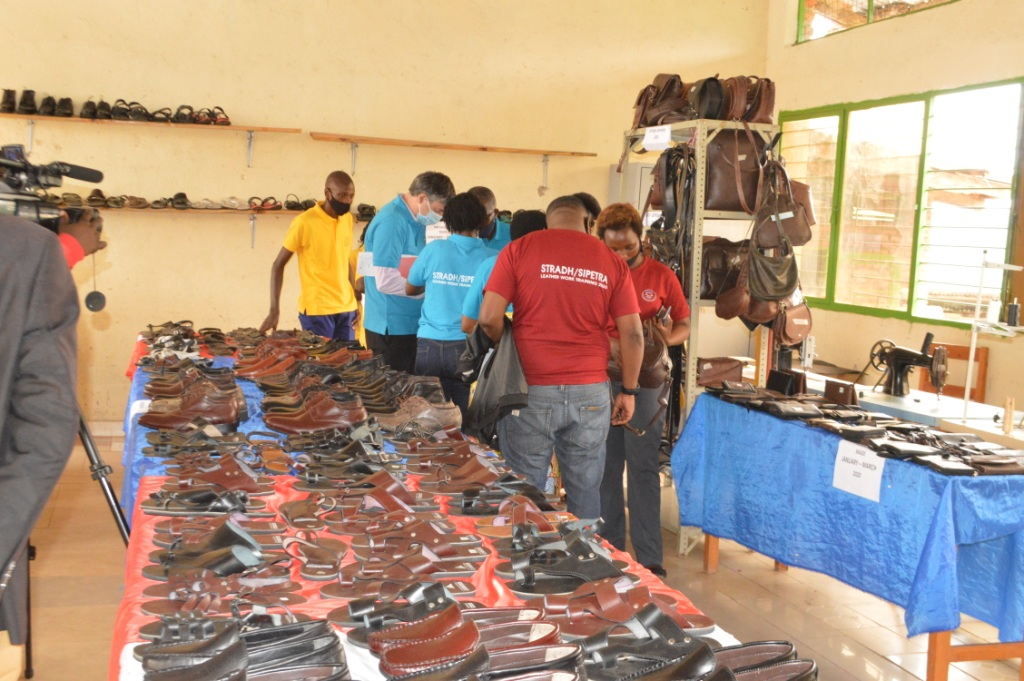
So then, resting to STRADH wish for accreditation and the competence of the center, Rwanda polytechnic has, with no hesitation, backed the ambassador’s point and gave good grounds for expecting the best ahead. ”This is a great and important project in full line with Rwandan government to promote Made in Rwanda. We need the products of these kinds, like female bags, belts, shoes…for this, I assure you our support, and please come to us and discuss.” The Deputy Vice Chancellor in charge of Administration and Finance at Rwanda polytechnic – Dr. Alex Ruberwa said.
RP has entrusted STRADH not only to generate leather producer personnel but also teachers since the country faces a scarcity of them. The guests of honor have also thanked the company accorded to the apprentices in the after training process that has been an insurmountable barrier to many. After the end of the training, novices, beyond leather production training, they are even guaranteed an active support to find markets and trade.
Alphonse BIZIMANA, the legal representative of STRADH has promised them a support to start working for their own this way:”You are divided into three groups through which you will get support. STRADH will help you find machine. We will sign contracts that will get you access to these machines of the center to facilitate your works. You will find for yourself raw materials, but we will facilitate you to get credit to the lower interest rate.” He promised.
Muhanga district has been grateful for the contribution to the district overall development. The micro-leasing was described as an opportunity for these youngsters to open up their own business. “There is another additional chance. There is a micro-leasing approach set in place by the government to help find startup materials as credit. You get it through BDF and the government helps you pay 25% off of the entire credit. So, we need you to have advantage of this.” Muhanga district representative, HABYARIMANA Jovith, Director of Business Development and Employment said.
The apprentices too are more confident for they feel to stay in good hands. GISUBIZO Marie Annette, has spent a year of training. She was dropped out of the school while in senior 4 due to poverty at home, and got into housework where STRADH has taken her from. She feels the ability to build on the knowledge she got to make her future even brighter. “We have no capacity to start working to ourselves. But it doesn’t matter because, as STRADH promised us credits in BIRASHOBOKA. I would wish first to work on my own if I get the capital, and I hope to.”
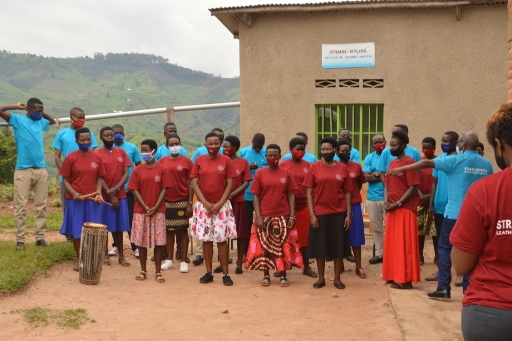
Both the practical training session and the final graduation were held in the full respect of covid-19 directives, as the courses were taken into two groups which has made thing hard and costly.
Leather work training was held under the supervision of two expert technicians in shoemaking and leatherwork by the sophisticated machines of the cutting-edge technology in leather work.
Within 2012, the research conducted by STRADH has shown the high school dropout rate in this region. In the localities of the center, more than 500 children were registered to be out of school and the majority of them were dragged down into the worst forms of child labor.