According the June 2011 STRADH/SIPETRA research on the situation of child labor issue and the July 2013 known as” Do me Justice Too or Actions to be undertaken towards violations of legal procedure against children victims of child labor”, STRADH has found that youth and even most of adults are under-informed about existing laws and policies related to the protection of their rights and even about measures to prevent and respond to gender-based violence.
Sexual violence against women and girls violates women and girls human rights, constrains their choices and negatively impacts on their ability to participate in, contribute to and benefit from development
Violence against women and girls is an urgent and pervasive global issue, posing a significant challenge in the broader context of addressing gender-based violence. This critical endeavor has been acknowledged by the international community through foundational documents like the Convention on the Elimination of All Forms of Discrimination against Women (CEDAW), the Beijing Declaration and Platform for Action, and the Sustainable Development Goals (SDGs). Research consistently underscores the impact of financial dependence, exacerbating the vulnerability of women and girls to violence and constraining their ability to break free from abusive situations.
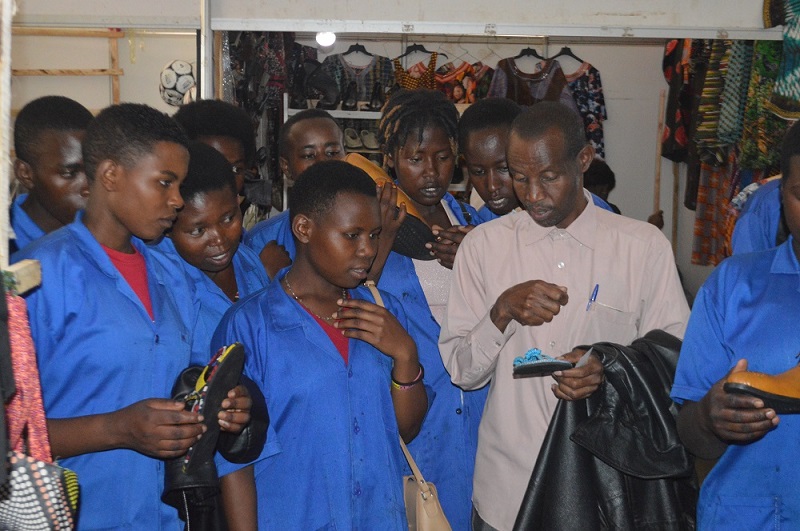
In the pursuit of combating this alarming trend, human rights defender organization STRADH has emerged as a crucial player. STRADH actively invests in education access, with a particular emphasis on vocational education and training for young people, particularly girls. STRADH’s initiatives, such as SIPETRA Birashoboka, are designed to empower young individuals, especially girls, by equipping them with the skills and knowledge necessary to create their own employment opportunities and attain financial independence.
Vocational education programs are designed to equip young women with practical skills directly applicable to the workforce, fostering self-reliance and reducing dependence. Initiatives like SIPETRA Birashoboka enable youth, especially young single mothers, to establish and manage their businesses, enhancing financial independence and contributing to community development. Recognizing vocational training as a fundamental right for all children, SIPETRA Birashoboka commits to assist youth, including young girls, in accessing education effortlessly through initiatives like SIPETRA Vocation Training Center in Muhanga District.
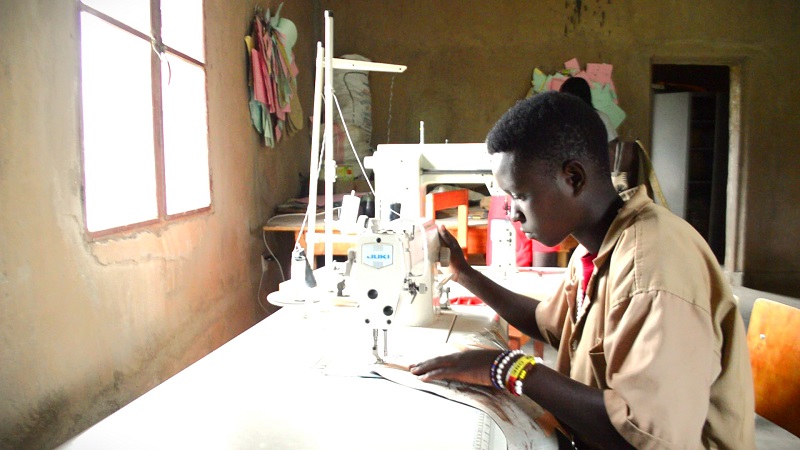
These proactive measures exemplify the steps needed to economically empower women, breaking the chains of financial dependence and vulnerability. By investing in education and skill development, we can pave the way for a future where women and girls are not only free from violence but also equipped to thrive independently.
The international community must unite to eradicate this pervasive issue and create a future where gender-based violence is a dark chapter in history.
We passionately invite you to contribute to our cause, supporting SIPETRA Birashoboka Vocational training centers initiative, and make a meaningful impact in the lives of the youth we serve. Your generous donation will empower these individuals for a brighter future and help save street children, offering those opportunities for vocational education and contributing to the transformation of their lives.
However, violence against women and girls remains an issue, intimate partner and sexual violence is still taboo. The analysis of underlying drivers or factors finds out a huge number of them from the individual, relationship, community to the societal level. Many initiatives have been experienced for alleviating sexual violence including adoption of heavy sanctions through the penal code but, there is still a need to conduct.
Join hands with us in building a community where education, skill development and compassion flourishing.